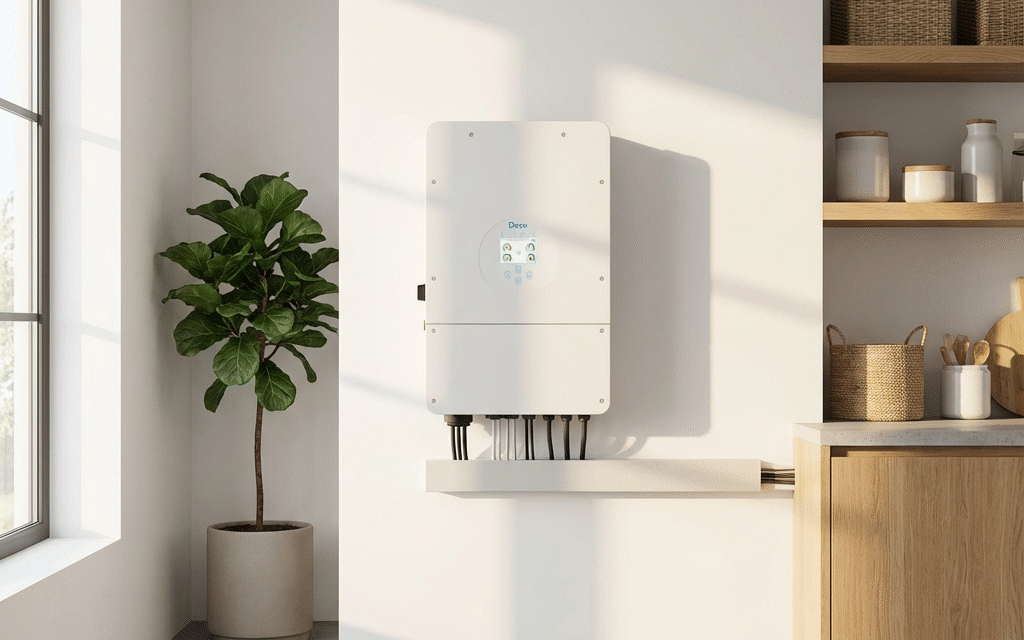
Deye hybrid inverter Lebanon provides a comprehensive solar energy storage solution, making PV electricity self-consumption more cost effective and increasing energy independence, eliminating the need for diesel generators during grid blackouts.
Ecuadoran home installations of solar+storage systems using Deye inverters and MOTOMA energy storage batteries offer insights into their available features and benefits for homes throughout the region. Learn about inverter options, battery features and advantages available across this region.
Solar Panels Are the Muscle
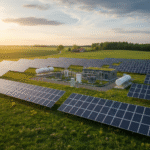
Current solar panels made of crystalline silicon feature 60 or 72 cells for efficient use by consumers or fed back into the grid. When sunlight hits them at an atomic level, sunlight activates free electrons which flow around an internal circuit within each panel to generate DC electricity, either for household use or feed back into grid networks.
However, to convert DC electricity from solar panels into the AC power we need for appliances and charging batteries requires a special box called a hybrid inverter. This inverter converts solar current into household 240 V AC supply while also storing energy for later use.
Build quality on both inverters appears solid, though the Deye inverter appears better suited for outdoors due to its superior weatherproofing features. Both units boast large on/off/DC isolator switches as well as sturdy cable glands; both also boast dual AC inputs useful as backup power sources; additionally both units are transformerless thus having lower peak (surge) power output than dedicated off-grid inverters.
Solving the “Generator Conflict”
At the core of Germany’s scandal lied the ability of hackers to remotely gain entry and disable Deye inverters remotely – an extremely alarming possibility given their widespread connectivity with the internet and potential cyber threats posed by such vulnerable systems.
Deye inverters are engineered to address this challenge with their 100% unbalanced output feature, which allows each phase to manage up to 50% of its rated power and ensure energy-intensive appliances and systems receive adequate power.
Deye hybrid inverters integrate solar power management and battery storage capabilities seamlessly for an intelligent home energy system. Boasting MPPT efficiencies of up to 99%, these high-performance inverters maximize both solar conversion and energy interaction.
Sol-Ark inverters come equipped with an energy management platform that can be configured and updated via the cloud, giving homeowners remote control of their system from anywhere and optimizing performance of solar kits – saving more money while decreasing carbon footprint. Being veteran-owned, Sol-Ark recognizes how detrimental shutdowns have been for families, so is proud to provide those affected a Deye inverter free of charge.
Handling Unbalanced Loads
Lebanon’s diverse mix of power sources (Grid + Generator + Solar) requires advanced technology for maximum performance. Deye hybrid inverters combine energy conversion technology and backup power functionality into one solution, boasting MPPT efficiencies over 99% and T-type three-level topology to maximize solar conversion and battery interaction while offering real-time feedback on system health.
Tech Store Lebanon is a premium solar system provider offering Deye hybrid inverters to help save electricity by charging tubular batteries during the day with electricity from solar panels and then using that energy at night for your daily needs. This ensures a constant source of electricity, leaving no worries regarding unstable grids and fuel consumption behind.
The Core of Our “PV System Life Cycle Assessment
Utilizing data from 120 operational PV sites across New York State, this research conducted an in-depth Life Cycle Assessment (LCA) for electricity produced from PV systems. It covered all key stages: raw material extraction and manufacturing processes for PV modules, transportation costs to installation sites and BOS components (inverters included) production prior to and during PV operation processes.
End-of-life (EoL) management options such as incineration, metals recycling and landfill simulation are also explored in depth. When measured against their normalized impact per person-year/kWh rating, EoL management effectively reduces overall impacts of PV systems by 50+ percent.
PV system capacity factors vary considerably; however, the results from this study reveal that high-performing systems can achieve average capacity factors of around 30% during months with long day lengths and make a substantial contribution towards New York State energy goals. It should be noted, however, that converting degraded land into solar farms may cause non-emission environmental impacts such as habitat disruption and soil contamination, which must be considered when policymakers implement CLCPA.
Invest Now Save Tomorrow: The ROI of Smart Power
Smart power is relatively new to the international arena, yet its tools and tactics have already proven themselves effective across states worldwide. States use them to influence relationships with other nations as well as non-state actors such as non-governmental organizations (NGOs) or terrorist groups; furthermore they address challenges brought on by globalization such as an unequal global commons or regional security threats.
Smart power strategies aim to strike a balance between interests and values to produce more resilient foreign policies that can survive crises as well as time’s passage. Their success hinges on being applied consistently and flexibly; otherwise it risks being seen as inconsistent or even dishonest in international affairs.